13 hr
Hallstatt & Salzkammergut Day Trip from Vienna
- Expert local guide
- Small group
- Skip-the-line access
- Free cancellation
Vienna Hallstatt Tour — Alpine Village Day Trips & Guided Excursions
Lake-edged perfection tucked between mountains, reachable before the crowds arrive.
Compare fares, pick the fit — all bookings are mobile-voucher and eligible for free cancellation where shown.
13 hr
12 hr
14 hr
| Experience | From | Duration | Rating | Transfers | Skip-the-line | Guide | Price | |
|---|---|---|---|---|---|---|---|---|
|
Guided Experience
Most popular
Hallstatt & Salzkammergut Day Trip from Vienna
|
Vienna | 13 hr | ★ 4.7 | ✓ | ✓ | ✓ | €65 | Book → |
|
Guided Experience
Hallstatt & Ort Castle Day Trip from Vienna
|
Vienna | 12 hr | ★ 4.8 | ✓ | ✓ | ✓ | €67 | Book → |
|
Guided Experience
Hallstatt & Salzburg Day Tour from Vienna
|
Vienna | 14 hr | ★ 4.6 | ✓ | ✓ | ✓ | €100 | Book → |
They complement each other; most visitors who do both call Salzburg the more culturally vibrant city while Hallstatt remains the more serene Alpine destination.
|
Top pick Hallstatt |
Salzburg | |
|---|---|---|
| Experience Type | Lakeside village atmosphere | Urban cultural landmark |
| Travel Effort from Vienna | 3.5–4.5 hours | 2.5 hours |
| Best For | Scenery and photography | Music and history |
| Primary Activities | Salt mine and lake | Mozart and palace tours |
| See tickets & prices |
Verdict: If you seek a quiet mountain escape, the vienna hallstatt tour is ideal, but for deeper architectural and musical immersion, choose Salzburg instead.
Hand-picked experiences loved by thousands of travelers
13 hours
Free Cancellation
Discover Austria's fairy-tale village, Mozart's birthplace, and breathtaking mountain scenery on this epic day trip
13 hours
Free Cancellation
Explore Austria's most picturesque lakeside village and stunning Salzkammergut landscapes on this guided coach adventure.
13 hours
Free Cancellation
Discover Austria's Alpine jewel and Mozart's birthplace on a relaxed small-group journey through mountains and lakeside charm
13 hours
Free Cancellation
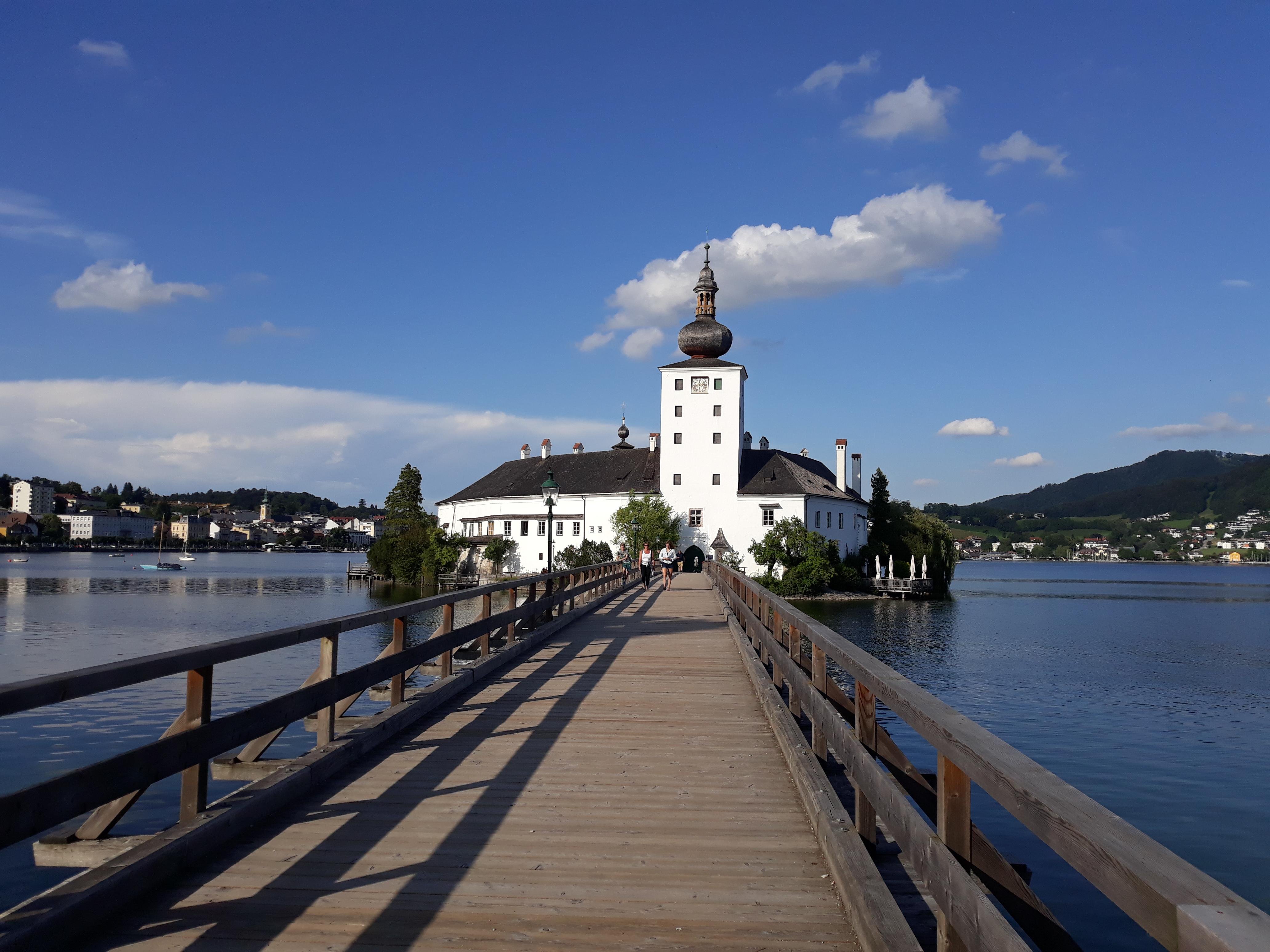
Journey through Austria's lake district to a fairytale village and waterside castle
12 hours
Free Cancellation
Journey through Austria's stunning Salzkammergut region to the alpine village of Hallstatt on a guided excursion
12 hours
Free Cancellation
Journey to Austria's iconic alpine village with lake views, salt mining heritage, and ample time to explore
13 hours
Free Cancellation
Discover Austria's baroque treasures and alpine beauty on this full-day journey to three iconic destinations
13 hours
Free Cancellation
Journey through Austria's UNESCO alpine landscapes to the lakeside village of Hallstatt with boat cruise
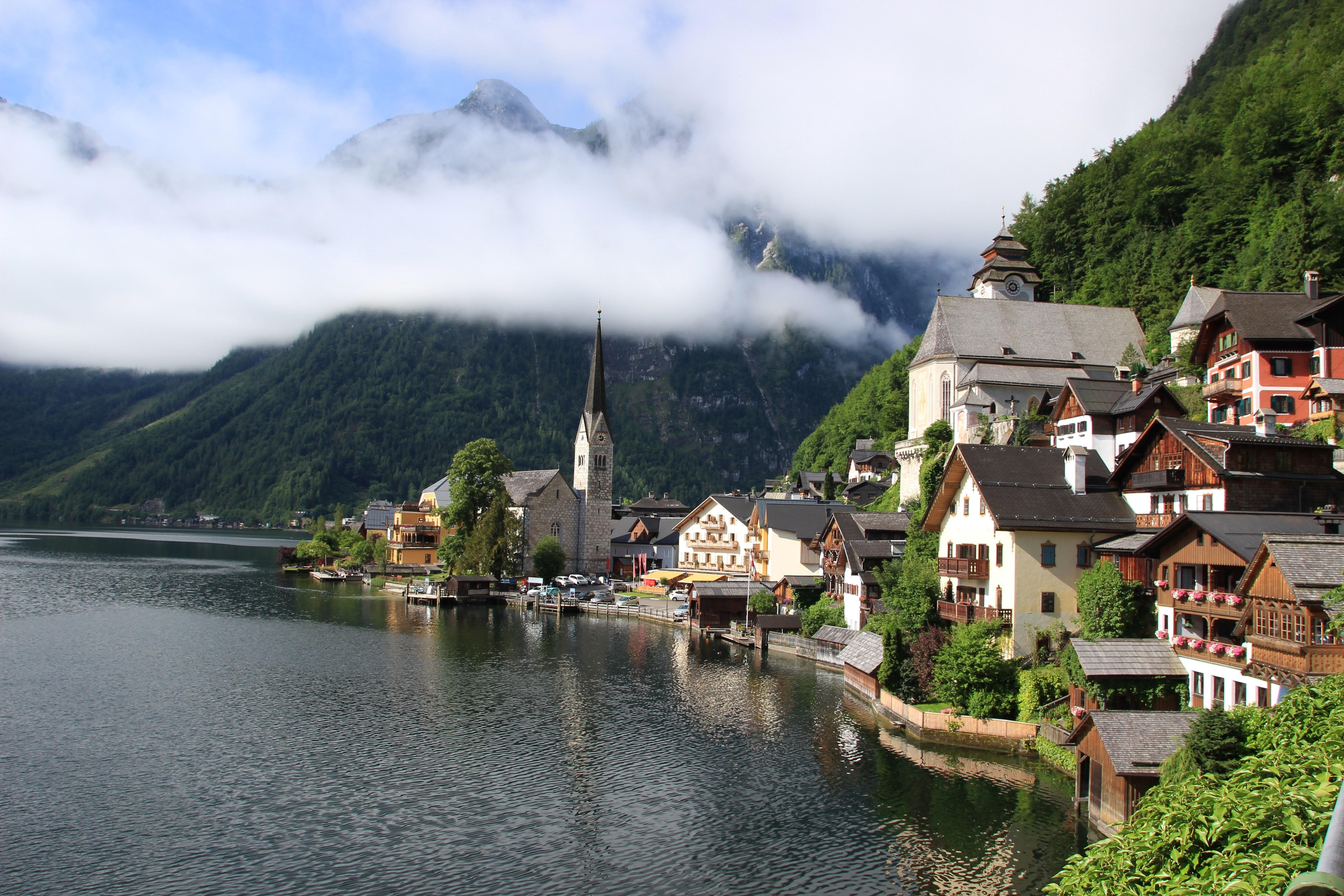
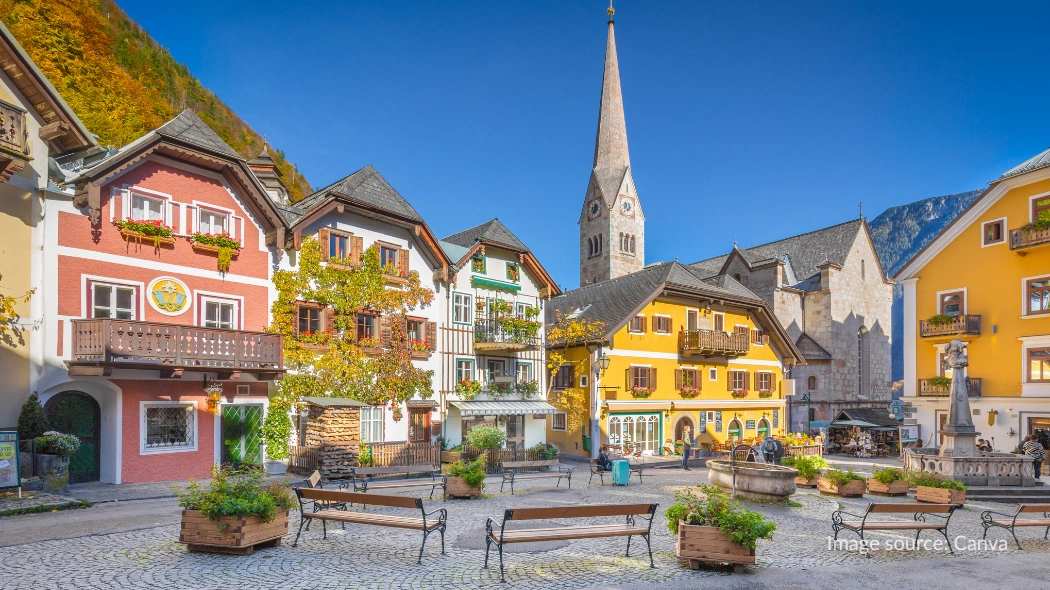
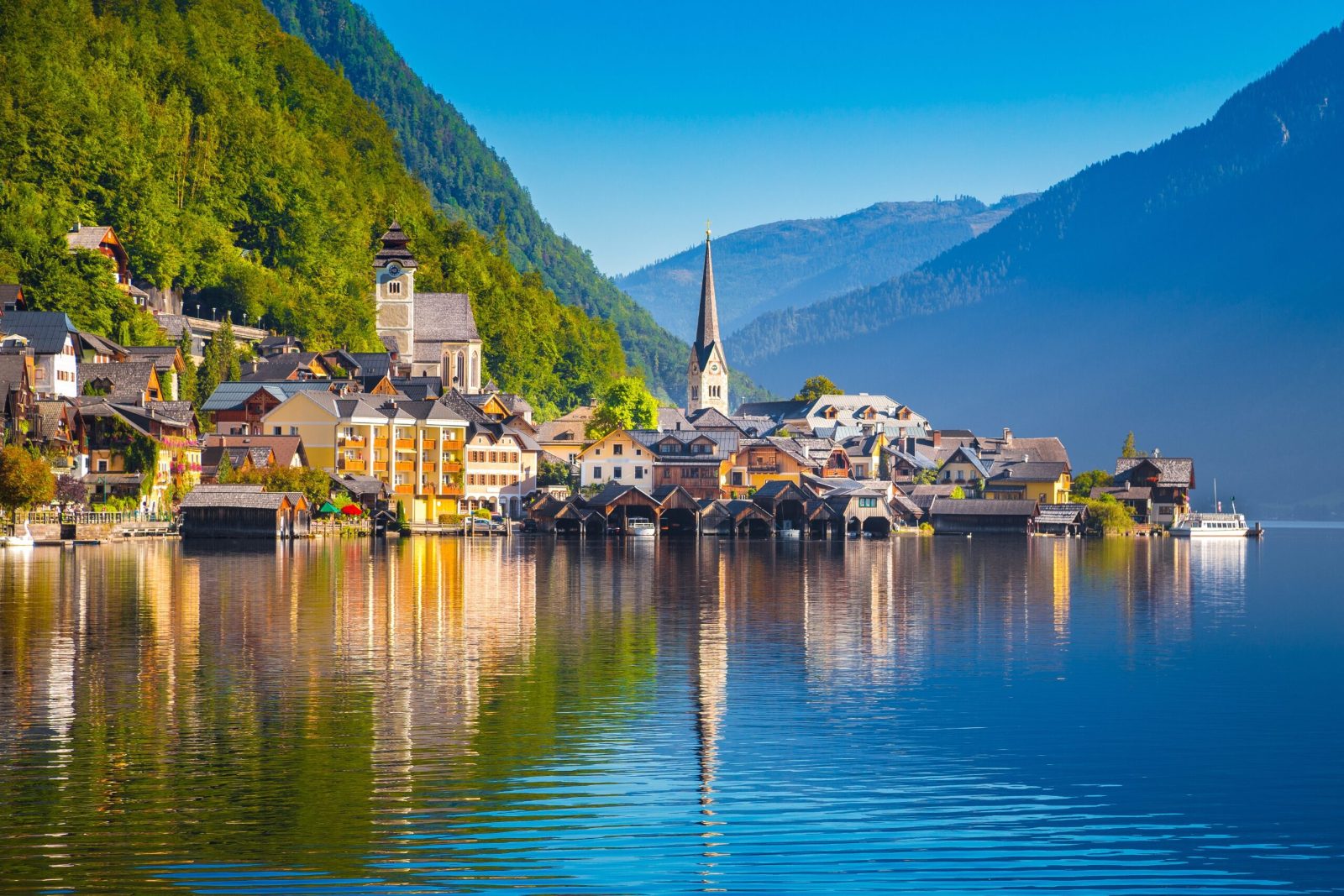
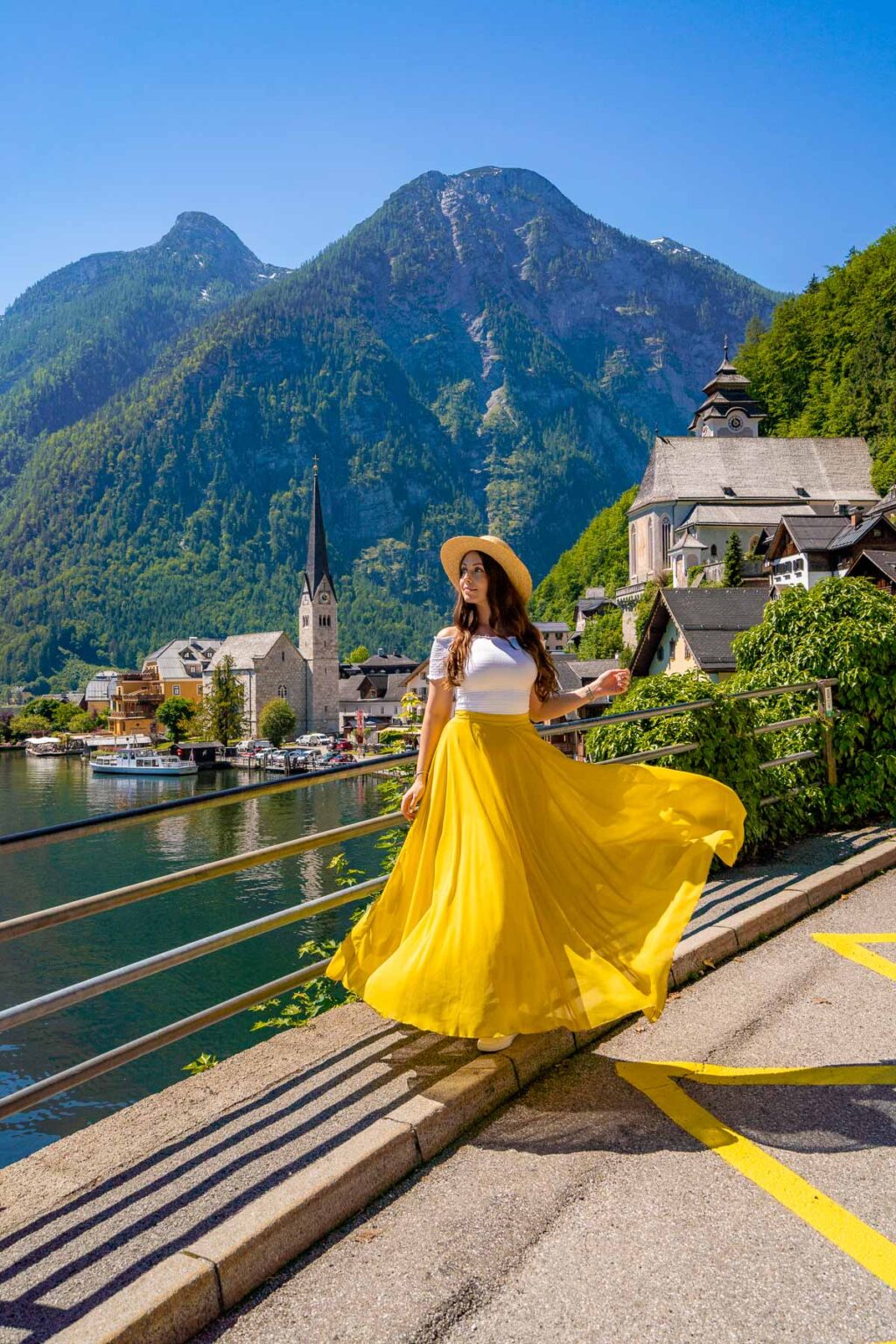
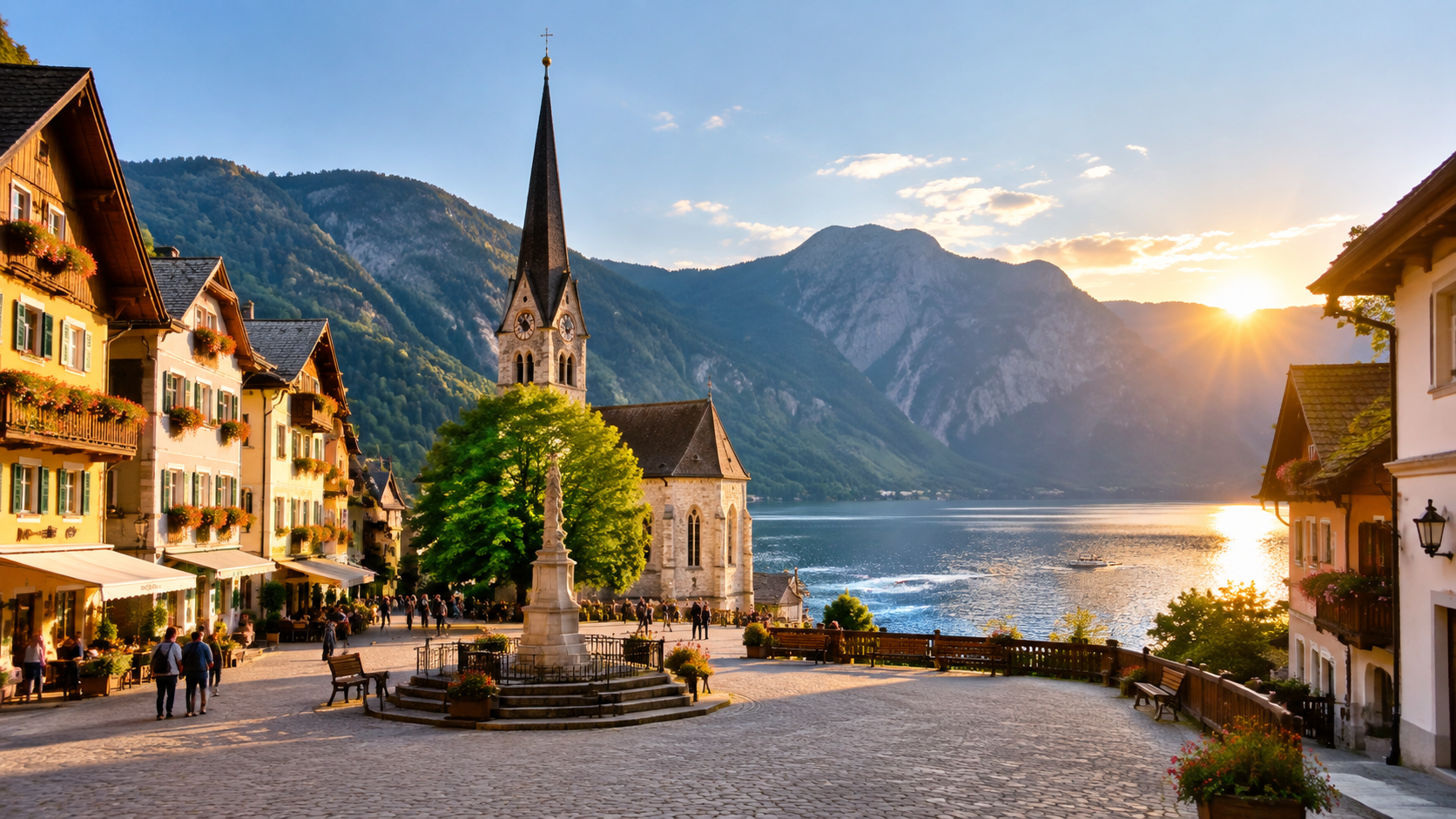
The historical center features colorful houses and the traditional village fountain.
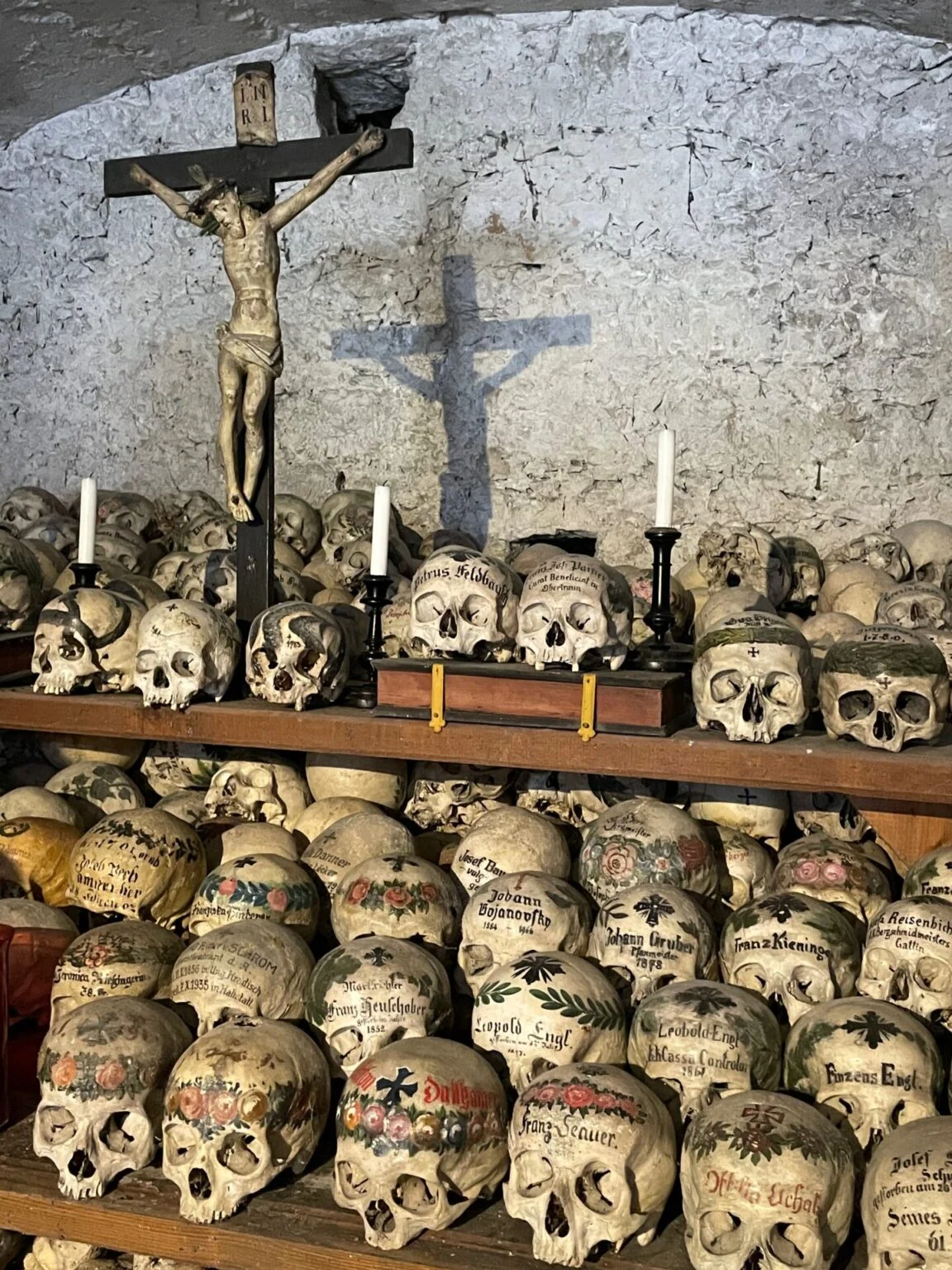
This unique chapel houses over 600 decorated skulls and remains.
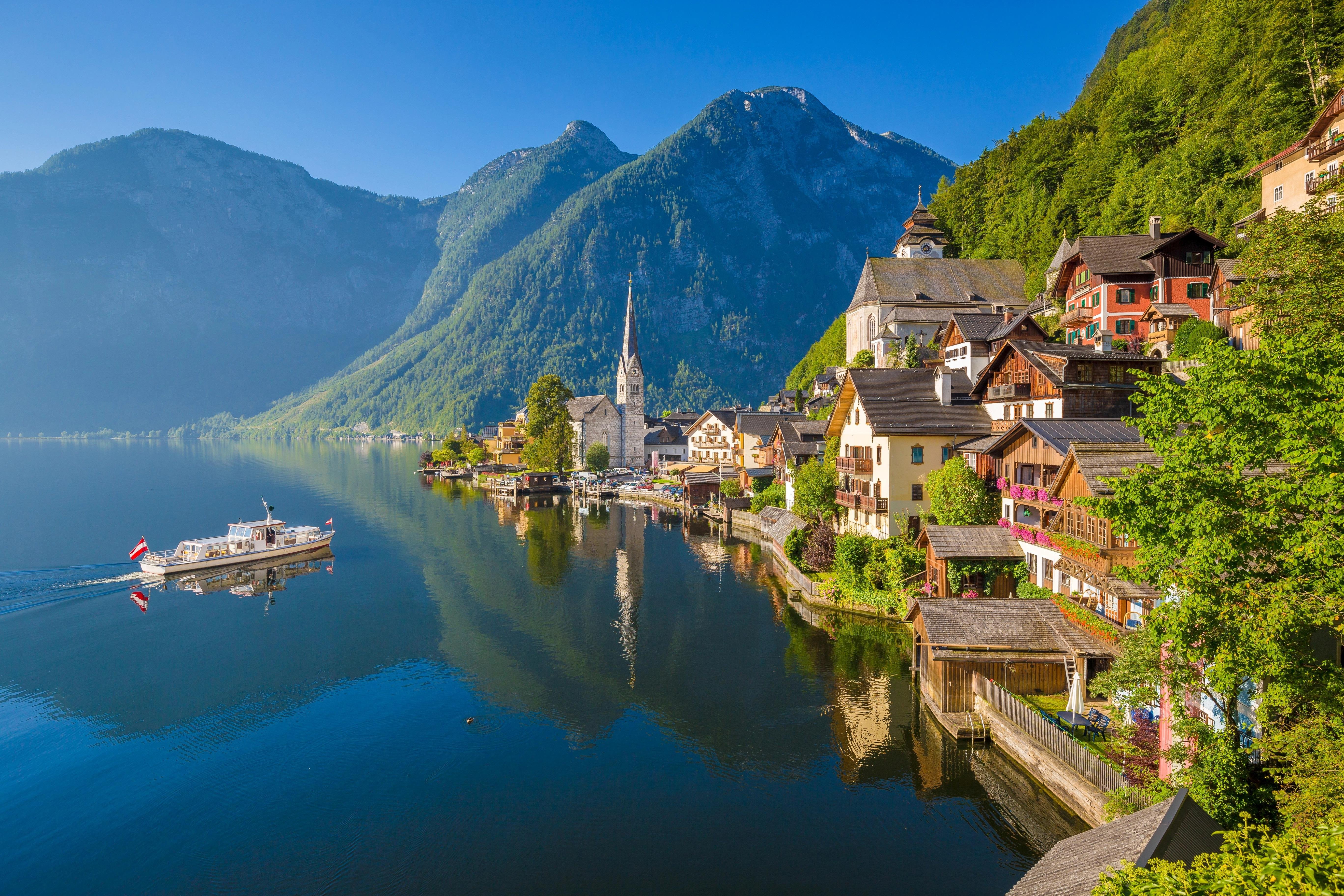
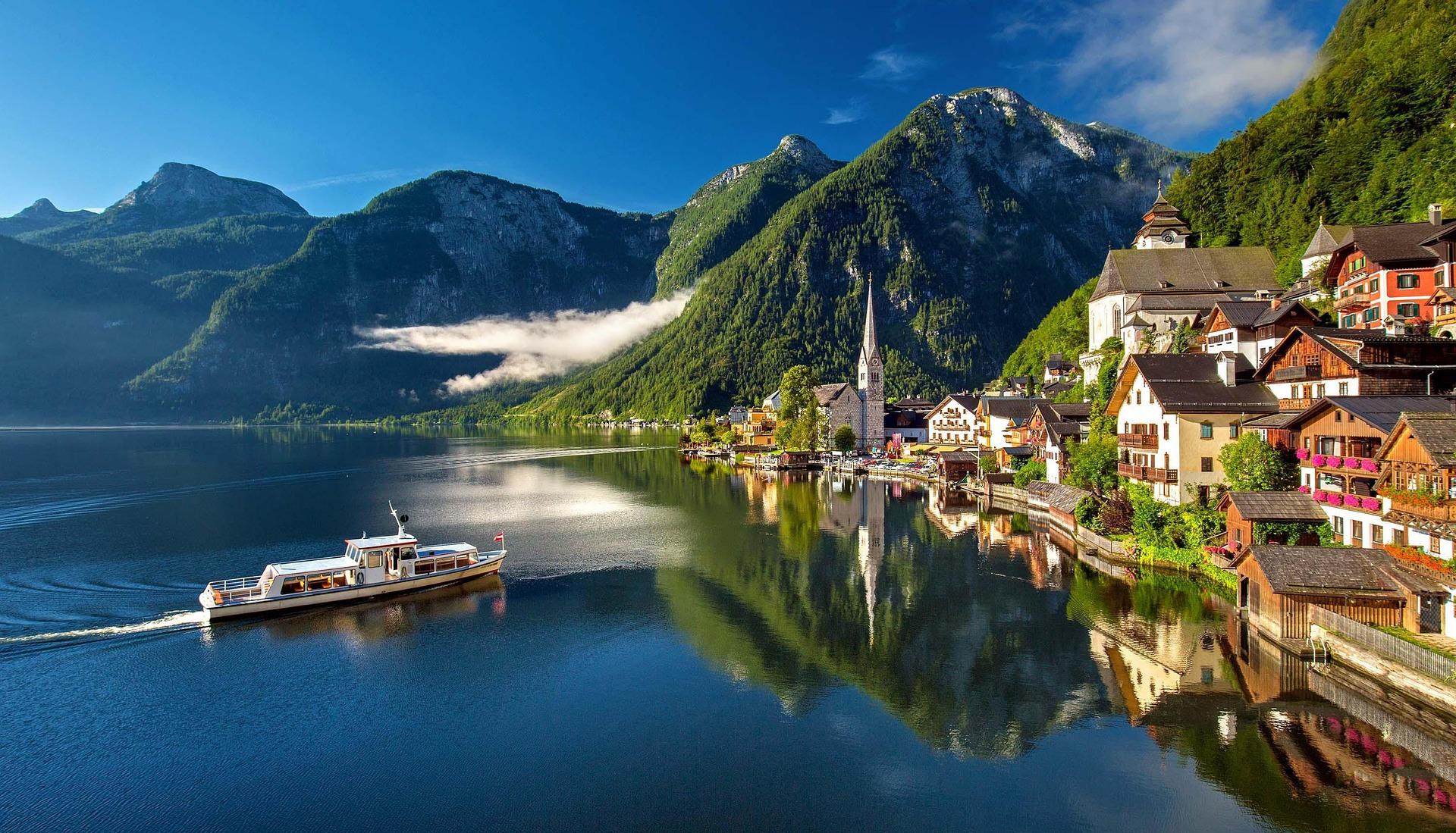
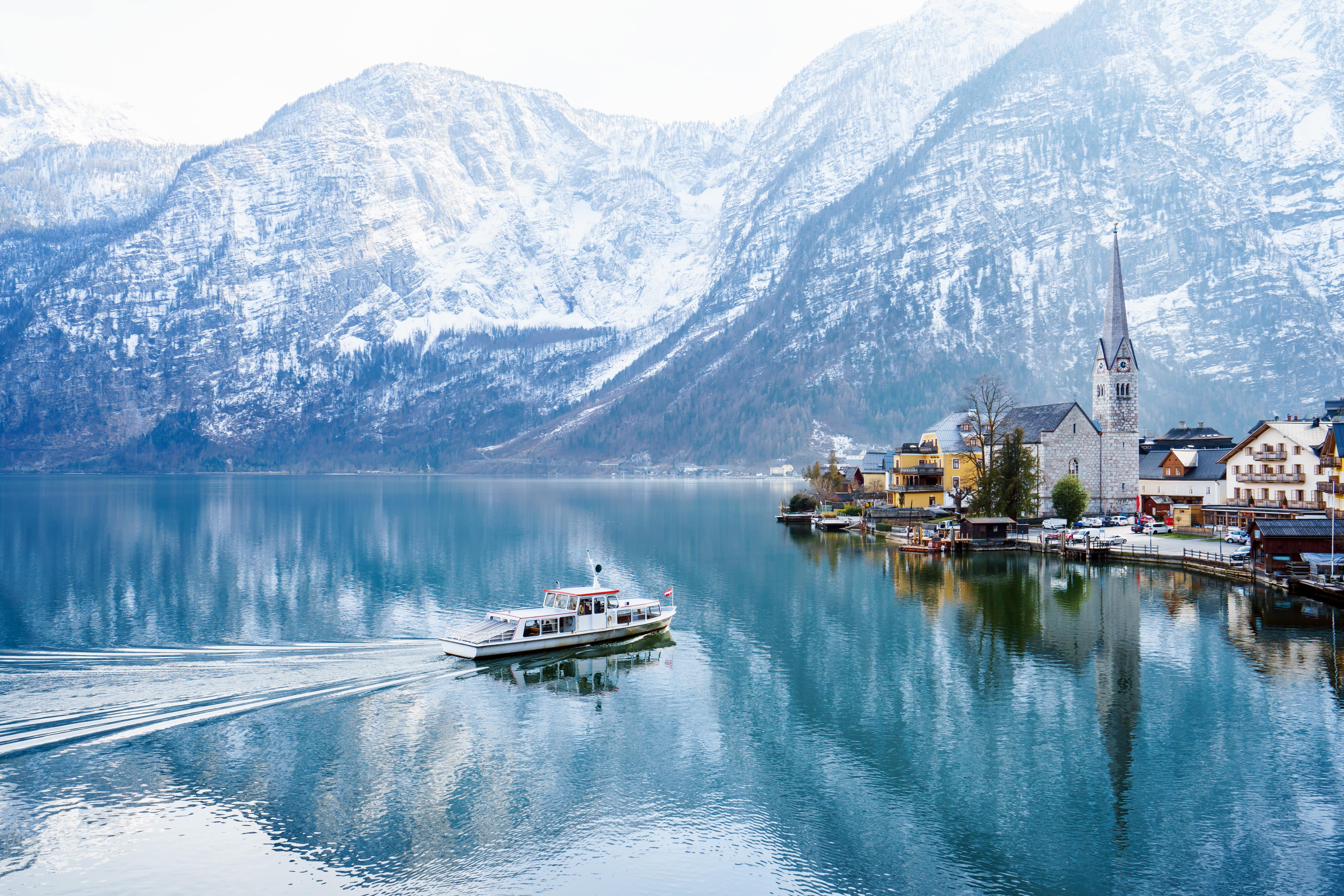
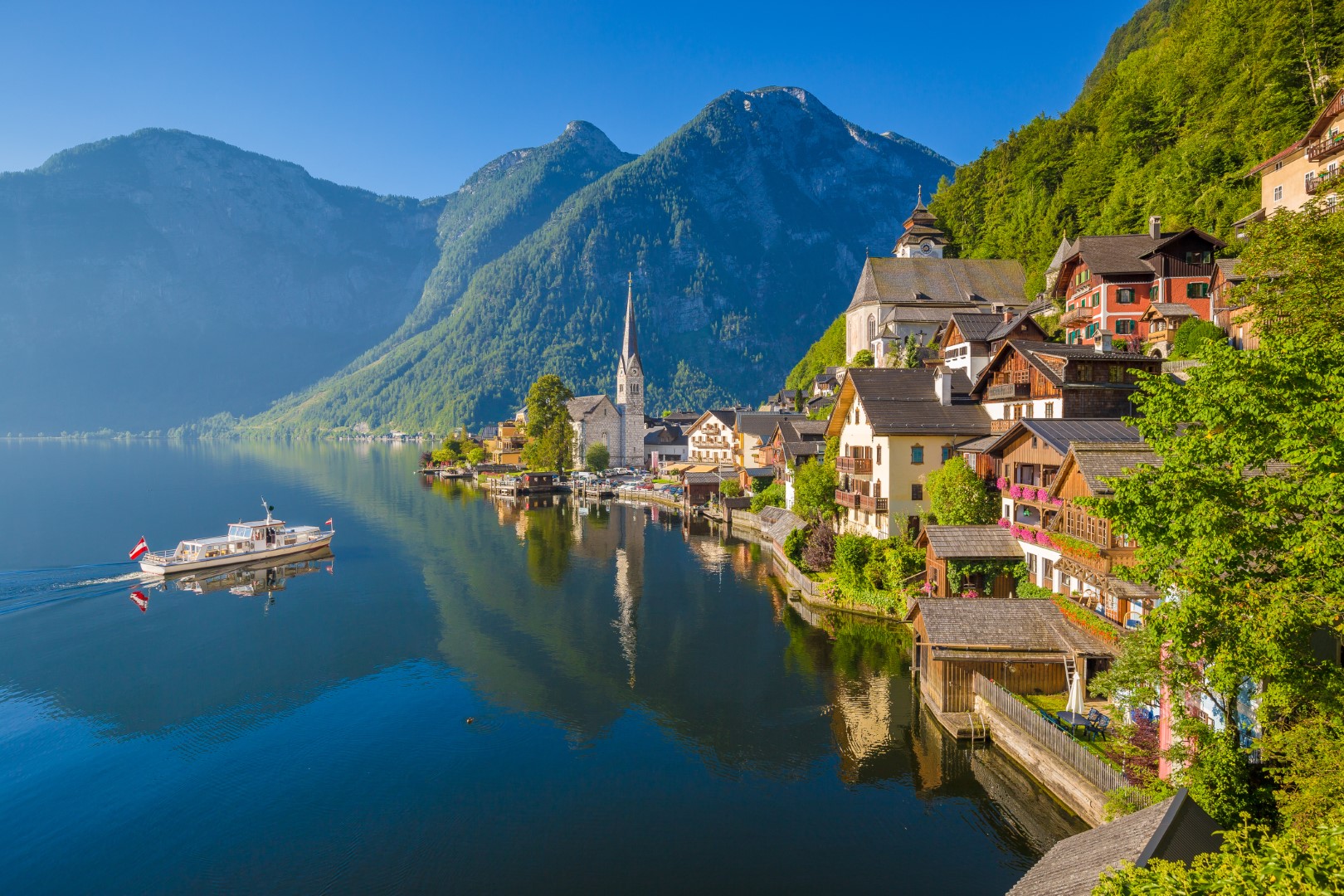
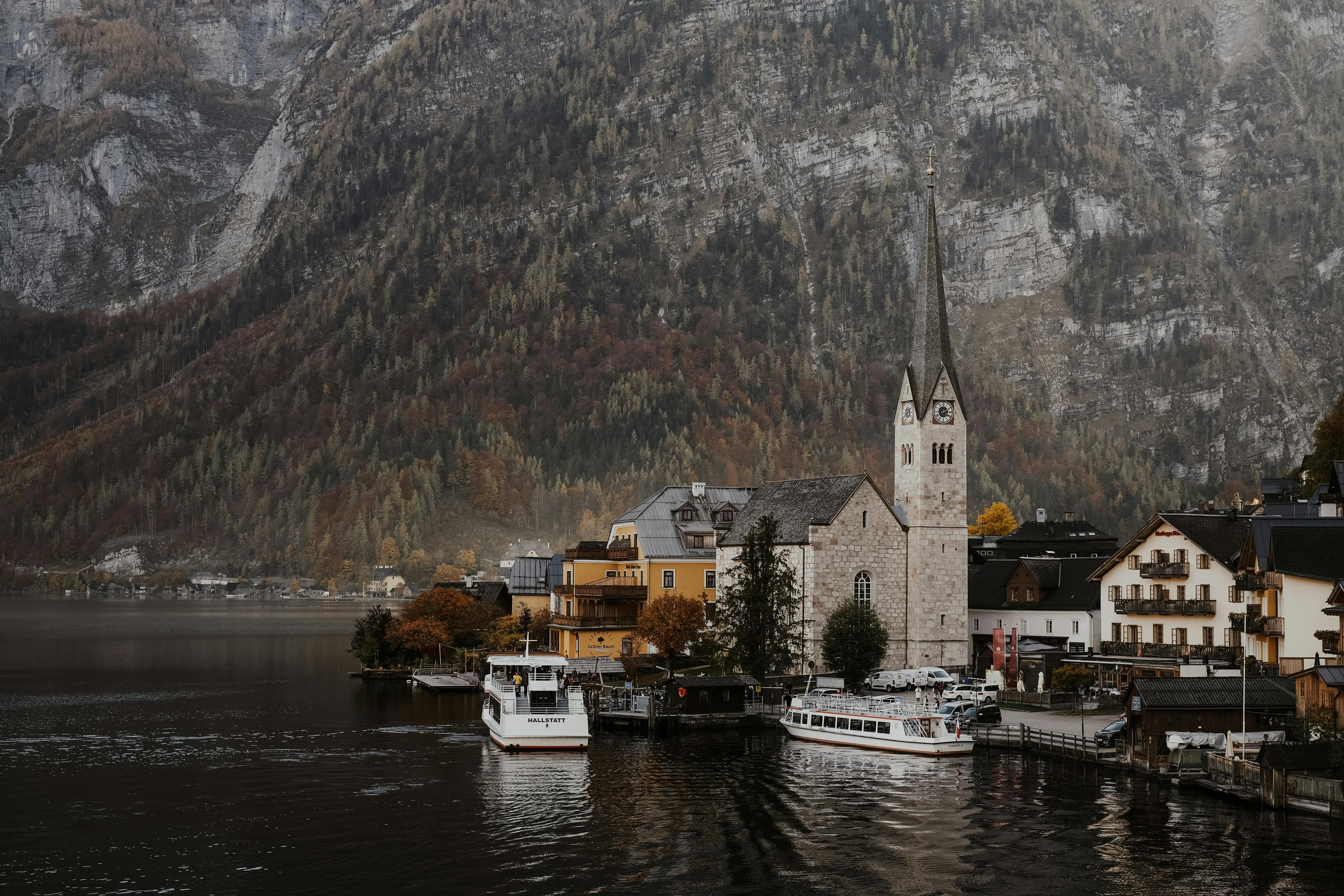
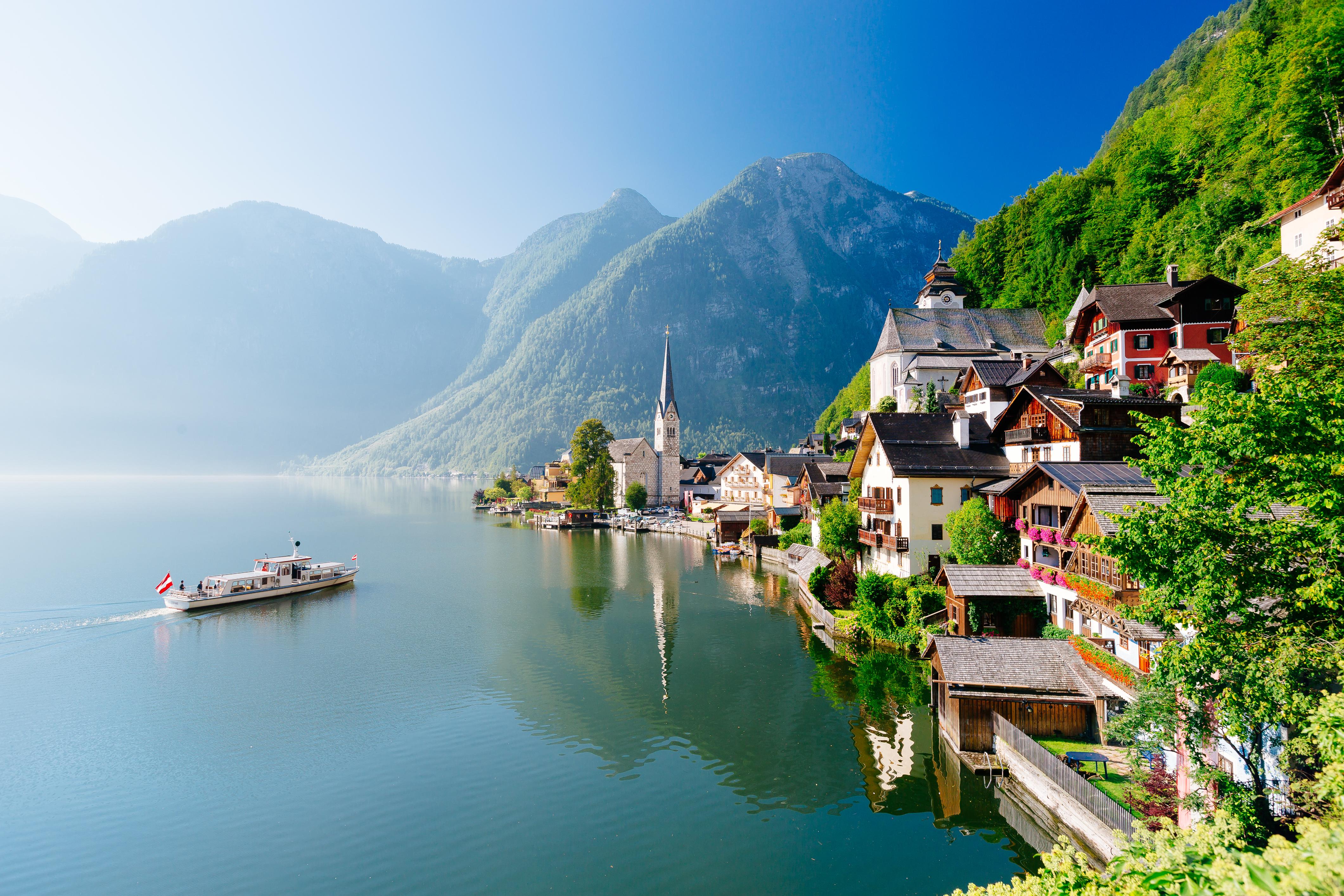
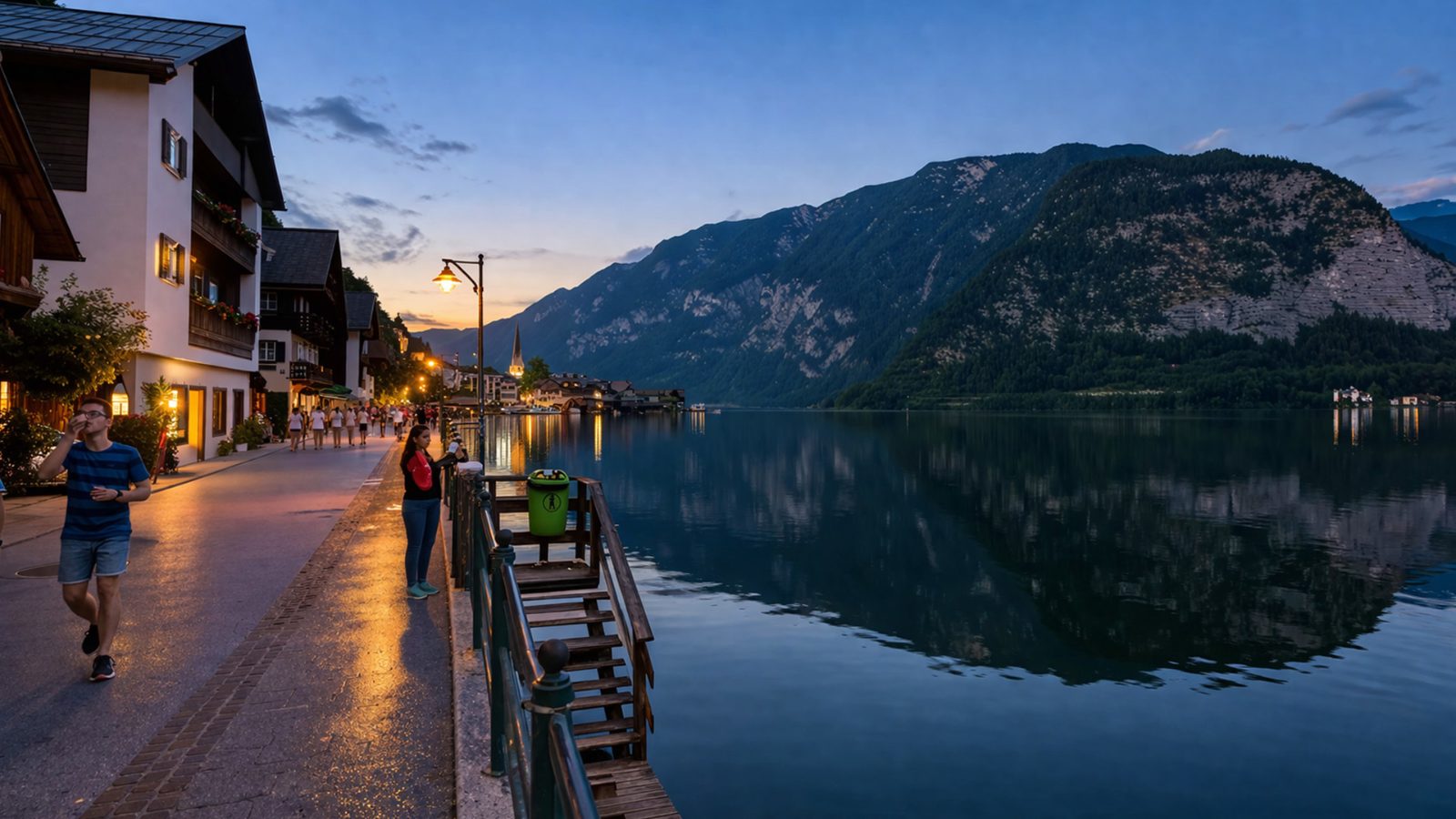
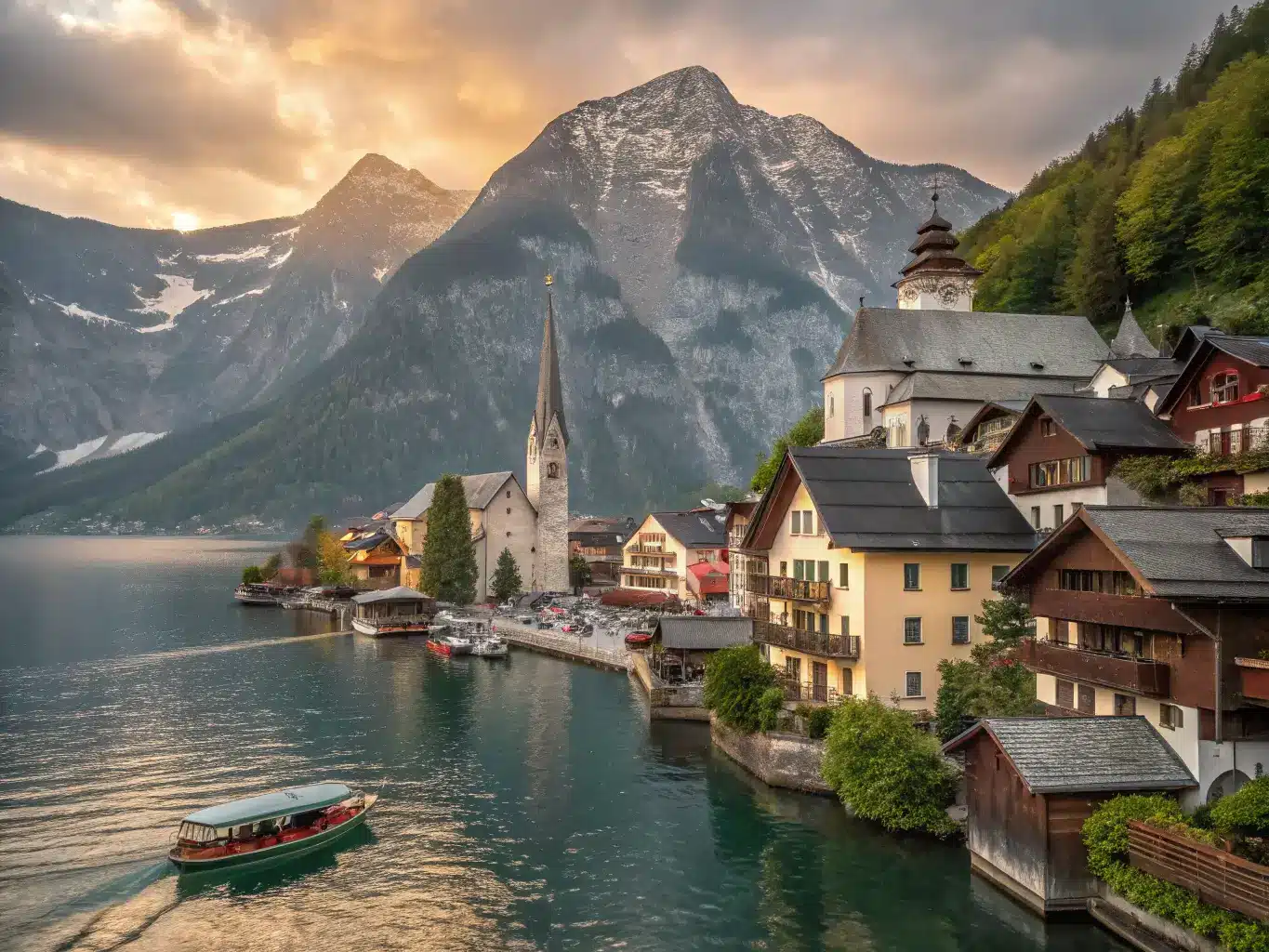
The turquoise lake provides the primary scenic backdrop for the village.
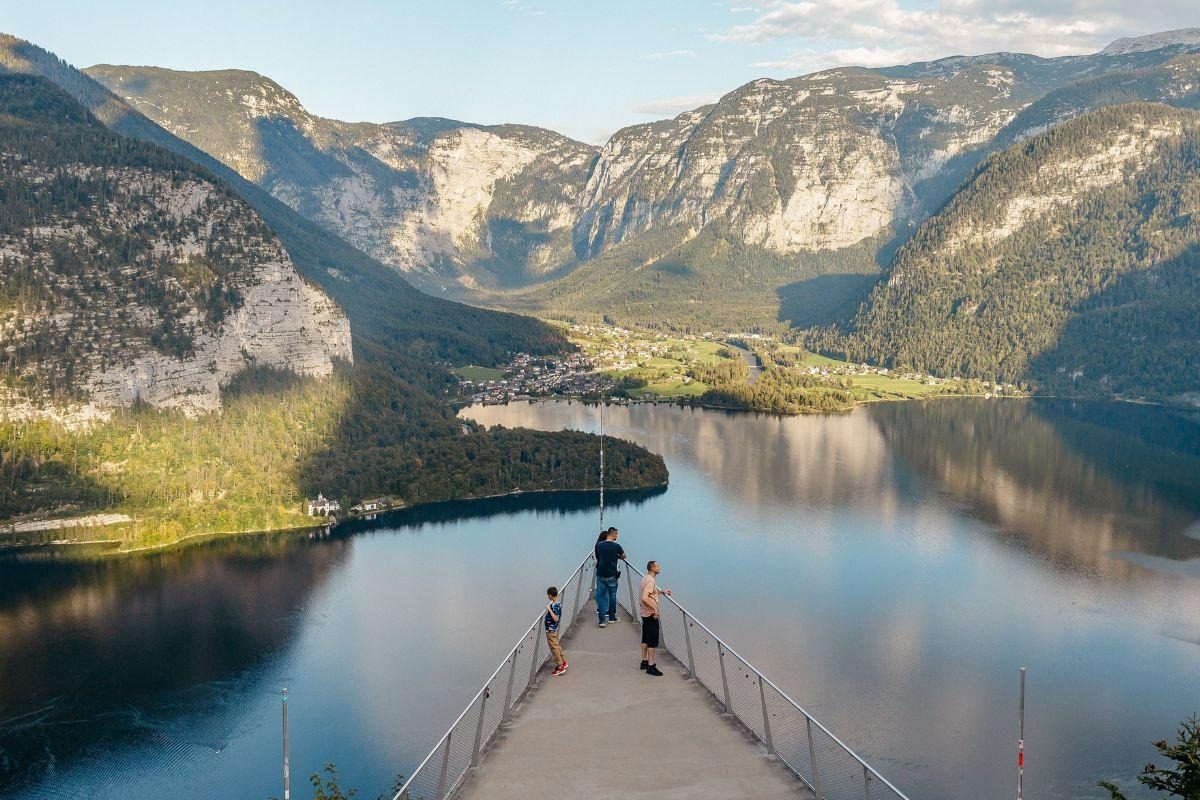
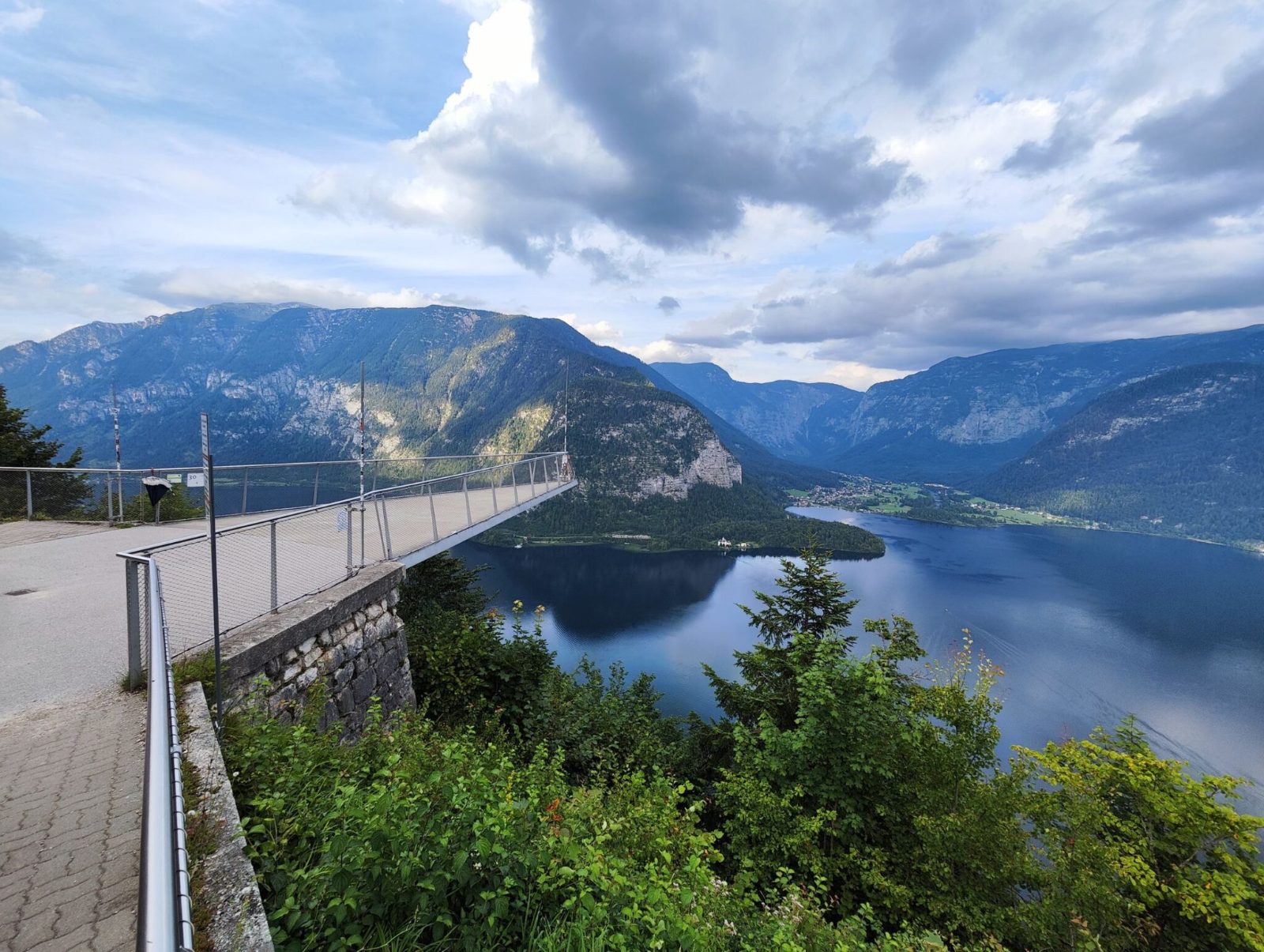
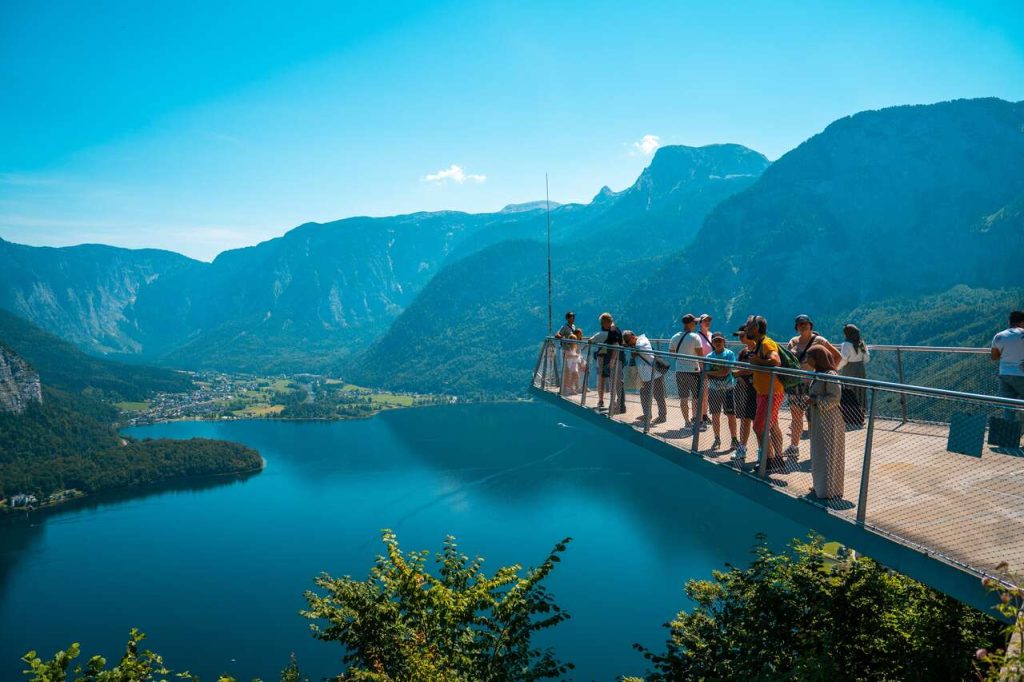
Located above the village, this structure offers expansive views of the region.
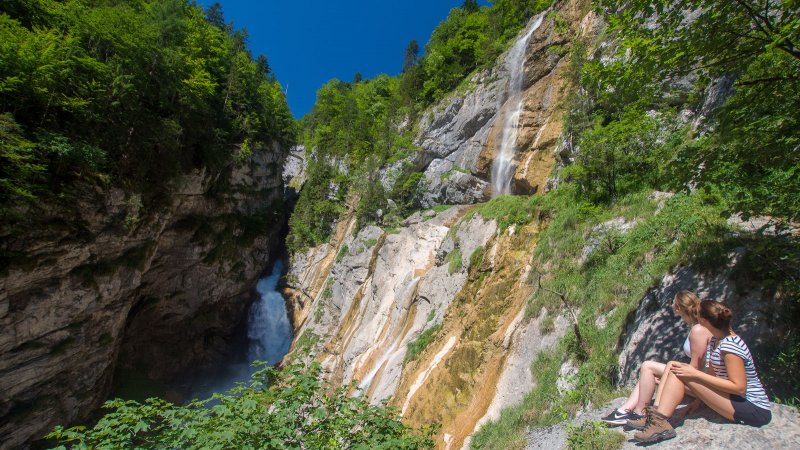
This natural area features glacial potholes and the Waldbachstrub waterfalls.
You leave Vienna before the first tram runs, the motorway still dark as the bus climbs into the Salzkammergut hills. By the time you reach Obertraun, dawn is spreading across the Hallstätter See, the water reflecting the Dachstein's limestone face in near-perfect symmetry.
Your driver drops you at the northern ferry dock; from there you walk the Seestrasse into the village center, the lake lapping against the wooden pilings that support the oldest houses.
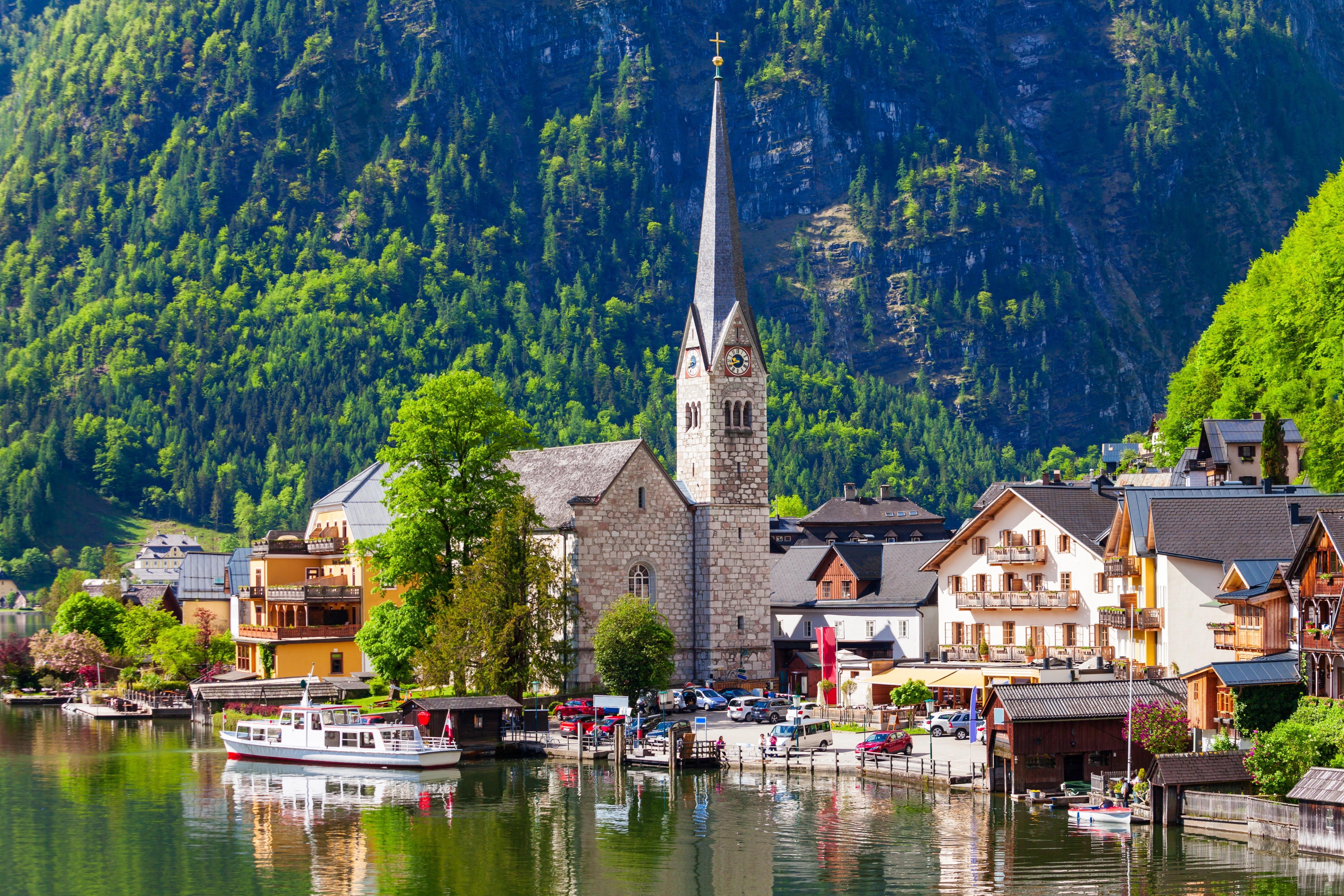
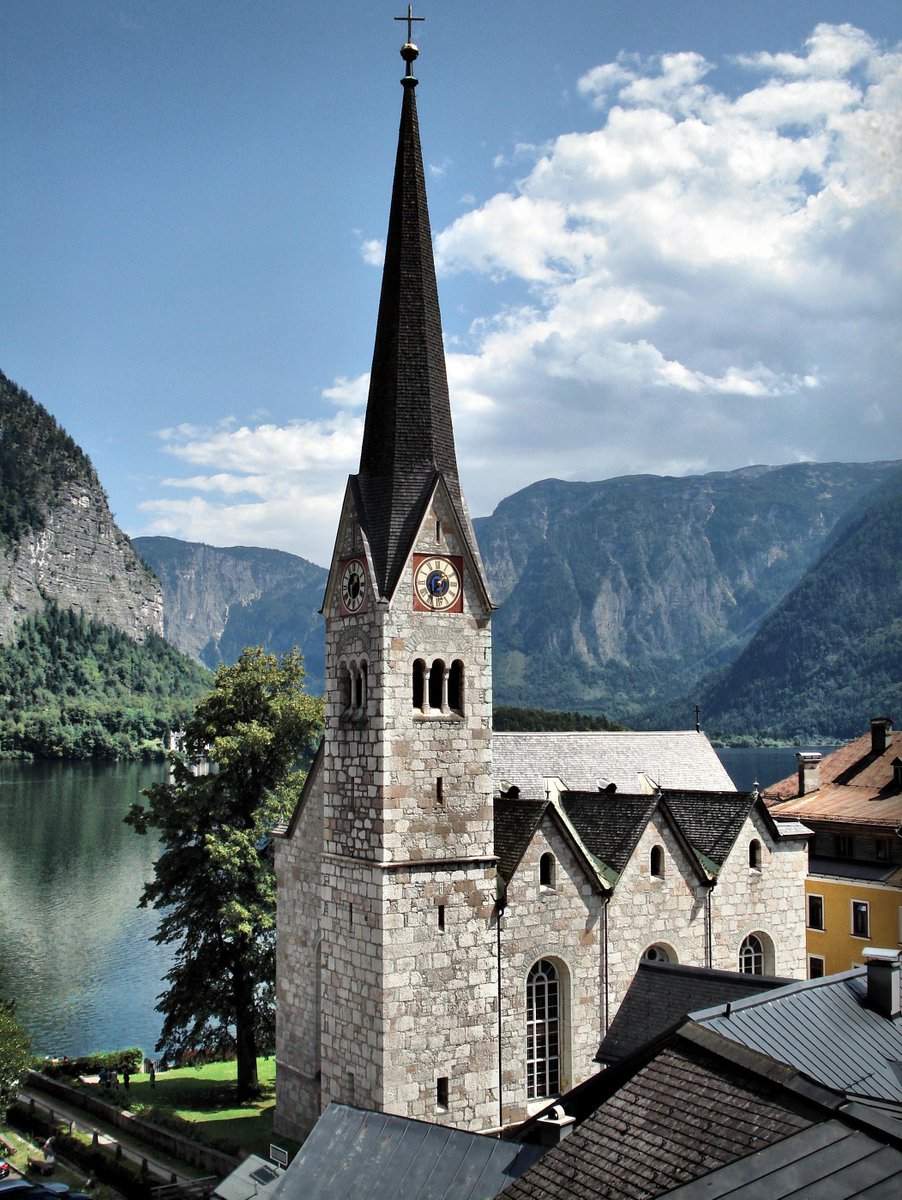
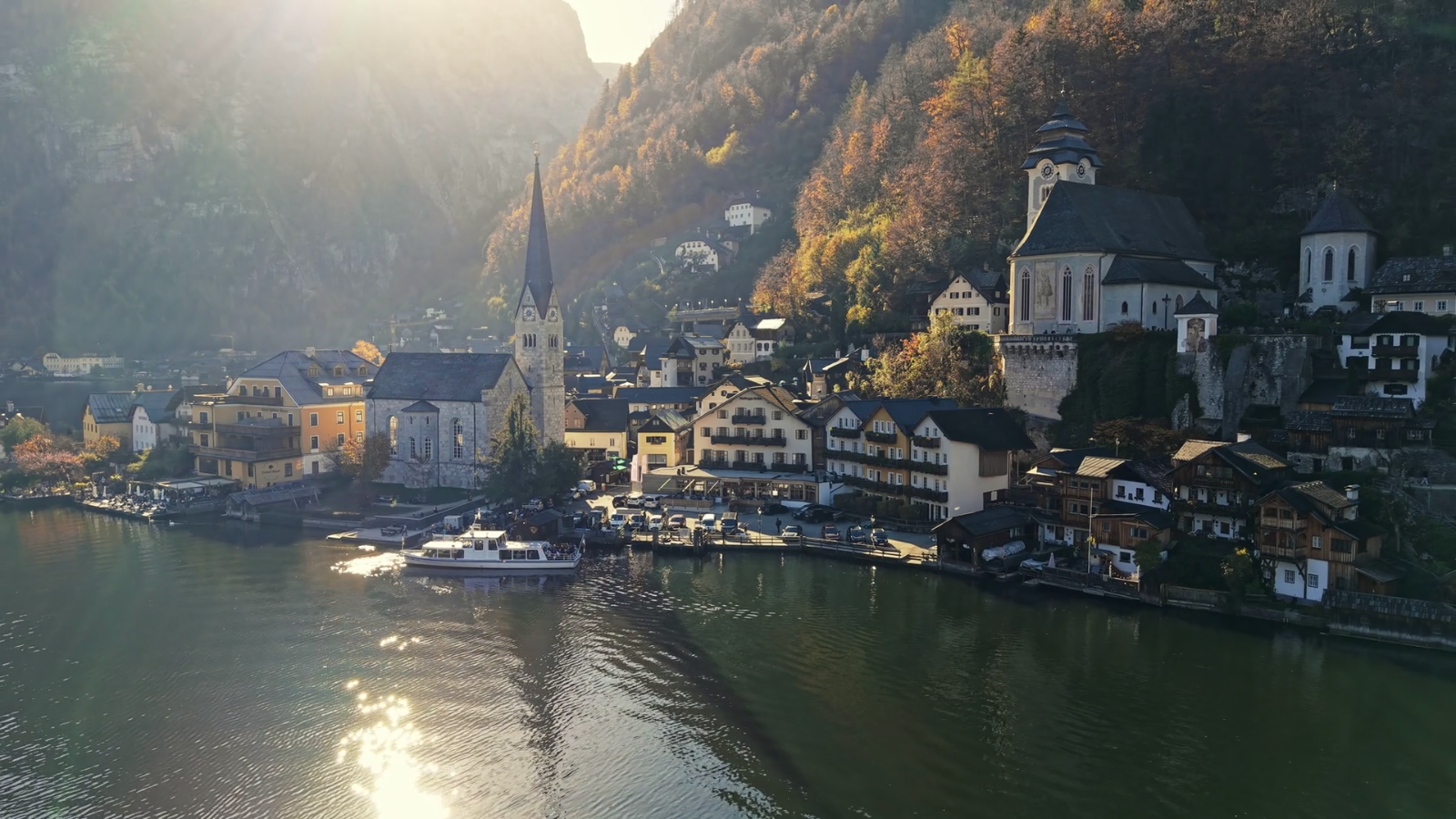
The Catholic parish church occupies the narrowest point of the shore, its Gothic spire framed by the mountain behind. You climb the covered staircase to the cemetery terrace, where a charnel house holds rows of painted skulls — a centuries-old practice born of limited burial space in a village hemmed by water and rock. From the upper platform you see the entire settlement laid out below, pastel facades stacked in vertical tiers.
If your vienna to hallstatt tour bus includes the salt mine, you board a funicular that hauls you 400 meters upslope in four minutes. The miners' tunnels open onto a viewing platform suspended above the valley, the lake reduced to a silver thread far below. You return to the waterfront by early afternoon, the square now crowded with day-trippers, and find a bench near the Protestant church to watch the light shift across the water before the return coach departs.
All the details about your upcoming adventure in one place
This vienna hallstatt tour connects Austria's capital with the UNESCO-listed lakeside village, traveling through the Salzkammergut region. Guests explore Hallstatt's Market Square, visit the charming bone chapel, and photograph the iconic lakeshore panorama. Vienna hallstatt tour tickets include round-trip transport and guided commentary on the region's salt-mining legacy.
Hallstatt's position on the Hallstätter See was determined 7,000 years ago by salt — the white mineral mined from the mountain behind the village funded Bronze Age trade routes across Europe.
By the time the Celts arrived in the eighth century BCE, the deposits were already legendary; archaeologists later named an entire Iron Age period after the site. The village itself remained a working salt town until the nineteenth century, when Franz Josef's imperial railway brought the first tourists to what had been an isolated Alpine settlement of fewer than 800 souls.
Today Hallstatt occupies 59 hectares wedged between the Dachstein massif and the lake, its pastel houses stacked along a single waterfront lane that loops from the Protestant church in the north to the Catholic spire in the south. UNESCO inscribed the region in 1997, citing not the postcard views but the archaeological continuity — evidence of uninterrupted habitation spanning three millennia. The salt mine, still operational at 400 meters above the village, offers a rare example of pre-industrial resource extraction visible in its original landscape context.
A Vienna Hallstatt tour typically covers the 295 kilometers in under four hours, departing the capital before dawn to reach the Salzkammergut by mid-morning. Most vienna to hallstatt guided tour itineraries allocate three to four hours in the village, enough to walk the Seestrasse promenade, climb to the cemetery terrace, and photograph the iconic spire-and-lake composition that has been reproduced in Chinese theme parks and Korean soap operas. The journey itself crosses the Traunsee and Attersee basins, threading through the lake district that supplied salt, timber, and freshwater to the Habsburg interior.
The appeal for day-trippers from Vienna lies in the compression of scale — an entire Alpine settlement legible in a single afternoon, its history concentrated in a parish church bone house, a miners' trail, and a waterfront market square. A vienna hallstatt day tour offers access without overnight logistics, though early departures remain critical to avoid the coach buses that begin arriving after 10:00. The village opens at sunrise with no formal gate or fee, a working community still connected to the mine and the lake rather than a preserved open-air museum.

UNESCO inscribed the region citing not the postcard views but the archaeological continuity — evidence of uninterrupted habitation spanning three millennia.
Casual and comfortable clothing is recommended for a vienna hallstatt tour. Wear sturdy walking shoes to navigate the village's cobblestone streets and mountain paths.
Public luggage storage facilities are available in the village center for those on a vienna hallstatt tour. Keep personal belongings secure while exploring crowded areas.
Photography is permitted throughout the village. Respect private property and avoid using drones, as they are restricted in the area during a vienna hallstatt tour.
The village is a child-friendly destination. Family-oriented activities include boat rides on the lake and scenic walks during a vienna hallstatt tour.
The village is accessible for pedestrians, though the historic center features steep inclines. Those on a vienna hallstatt tour should plan for significant walking.
Numerous cafes and restaurants are available in the center. Please dispose of all food waste in bins provided throughout the village.
Opening Hours
00:00–23:59
Address
Hallstatt, 4830, Austria
Accessibility
Village is pedestrian-friendly with some inclines
Best Time
06:00–09:00 arrival recommended
Storage
Available near the town center
Navigation
Explore by walking the lakefront path
Public transport · 3.5 hours · Varies by carrier
Take a train from Wien Hauptbahnhof to Hallstatt station followed by a ferry ride.
Entry to the village of Hallstatt is 0 EUR. Specific attraction bookings for a vienna hallstatt tour may follow individual operator policies.
Recommended time
4-6 hours
A well-planned vienna hallstatt tour requires several hours to experience the tranquil lakeside atmosphere before the peak day-tripper surge. This duration allows for a relaxed stroll through the salt mine area and local heritage sites without rushing, though obtaining vienna hallstatt tour tickets for popular attractions early helps minimize time spent in queues. You may consider vienna hallstatt tour tours that provide structured transit, as the journey from the capital is significant; if you arrive independently, ensure you budget sufficient time for regional transport connections.
Crowd levels through the day
Weather · crowds · average price — dots go green to amber to red as each metric rises.
September offers comfortable temperatures and fewer crowds. It is an ideal window for a vienna hallstatt tour as summer traffic subsides.
Reach the village between 06:00–09:00 to avoid daily tourist crowds.
Hallstatt's salt deposits shaped human settlement for seven millennia. The earliest evidence of mining dates to 5000 BCE, when Neolithic communities extracted brine from natural springs. By 800 BCE, Celtic miners had developed underground shaft systems that reached depths of three hundred meters, establishing the Hallstatt culture that gave its name to an entire European Iron Age period. These miners traded salt across the Alps, accumulating wealth that appears in over two thousand burial objects excavated from the valley's prehistoric cemetery. Medieval Hallstatt remained isolated by geography. The village occupied a narrow strip between the Dachstein massif and a deep glacial lake, accessible only by boat or treacherous mountain paths until 1890. Salt extraction continued under Habsburg monopoly control from the thirteenth century, with the mine employing virtually every family in the valley. Fire destroyed much of the village in 1750, after which rebuilding followed strict imperial regulations that mandated stone foundations and fireproof roofing. The characteristic vertical architecture—houses stacked on narrow terraces—emerged from land scarcity rather than aesthetic choice. Industrial decline began after 1900 when competing mines offered cheaper transport routes. Population fell from 900 residents in 1870 to fewer than 500 by 1950. The salt mine persisted as a heritage operation, opening tourist vienna hallstatt tours in 1932 with guided underground walks through Bronze Age galleries. Modern tourism accelerated after 2006 when Asian marketing campaigns promoted the alpine scenery. Daily visitor numbers now exceed three thousand in peak season, straining infrastructure designed for a working village of 750 permanent inhabitants. Conservation regulations since 2017 restrict architectural modifications to preserve the UNESCO-designated townscape that resulted from centuries of geographic constraint and extractive industry.
Neolithic communities establish brine extraction at natural salt springs in the valley.
Celtic miners develop deep shaft systems, creating the Hallstatt culture that defines the European Iron Age.
Habsburg monarchy establishes exclusive salt monopoly, controlling all extraction and trade in the region.
Devastating fire destroys most timber structures; rebuilding under imperial regulations produces the stone terrace architecture visible today.
Road construction finally connects the isolated village to regional transport networks after centuries of boat-only access.
Salt mine opens its first vienna hallstatt tour tickets for underground heritage walks through prehistoric mining galleries.
UNESCO designates Hallstatt-Dachstein as a World Heritage cultural landscape recognizing its mining history.
International tourism marketing transforms the working village into a destination receiving over one million annual visitors.
Stand at the northern edge of the village along Gosaumühlstraße to capture the iconic perspective of the church spire rising above the traditional houses and lake. This vienna hallstatt tour location is accessible via a short walk from the main parking area.
Focus on the architectural silhouette of this landmark from the lakeside path to frame the steeple against the surrounding Alpine peaks. It serves as a central feature for those booking vienna hallstatt tour tours to capture the village character.
Ride the funicular to gain an elevated position overlooking the rooftops and the Dachstein mountain range. It is a recommended stop for those seeking vienna hallstatt tour tour perspectives from high above the valley floor.
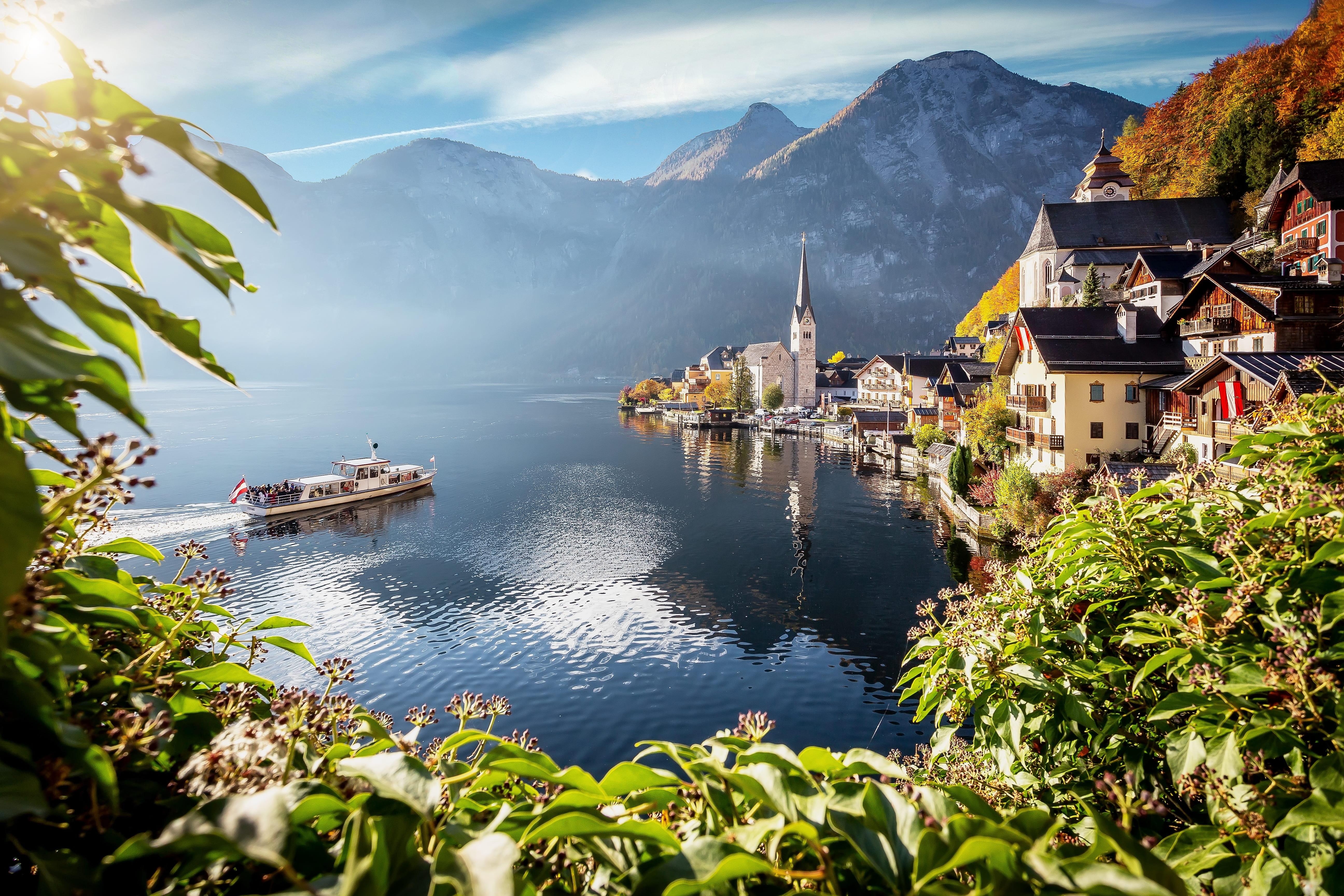
Walk along this promenade to photograph the reflection of wooden buildings in the water, a popular choice for securing vienna hallstatt tour tickets holders seeking artistic water-level shots. The composition changes with the autumn light and morning mist.
Finding a meal near your vienna hallstatt tour requires strategic timing, as local establishments fill quickly during peak hours. You will find a variety of eateries serving traditional Austrian cuisine nestled throughout the village center, perfect for those holding vienna hallstatt tour tickets.
Located at the top of the funicular, this restaurant offers regional dishes with elevated views. It is ideal for lunch before returning to your vienna hallstatt tour tours.
Real experiences from real travelers
Our vienna hallstatt tour exceeded expectations. The lakeside village looked like a watercolor painting in the morning mist. We spent hours wandering the narrow lanes between centuries-old houses. The Skywalk offers the postcard view everyone hopes for.
Took the train from Vienna and arrived mid-morning to find Hallstatt quieter than expected. The Evangelical Church provides excellent perspective over the rooftops. Lake water was cold but crystal clear. Bring layers — temperature dropped quickly in the shade.
The village is smaller than photos suggest but every corner rewards exploration. We walked the entire lakefront in forty minutes. Traditional Plätte boats create perfect reflections on calm mornings. Salt mine cable car departs from the southern edge.
Hallstatt delivers scenic Alpine architecture framed by dramatic peaks. Arrived on a rainy afternoon which added atmosphere to the empty cobblestone squares. The Marktplatz cafes offer warm refuge. crowds returned with the tour buses after lunch.
Our excursion from Vienna to Hallstatt captured the village during peak foliage season. Golden larches on the Dachstein slopes contrasted with the teal lake. We climbed to the cemetery terrace for elevated views. Weather shifted rapidly from sun to drizzle.
The journey through Salzkammergut region alone justified the vienna hallstatt tour tickets. Village architecture maintains authentic character despite tourist presence. We photographed the church spire from multiple angles around the lake. Spring runoff made waterfalls particularly impressive.
Arrived before most vienna hallstatt tour groups and had the waterfront nearly to ourselves. Mist lifted gradually from the lake surface revealing the mountain backdrop. Local bakery near the Marktplatz sold warm pretzels. By noon the narrow streets felt crowded.
Hallstatt preserves the Alpine village aesthetic perfectly. We took the funicular to higher viewpoints and hiked forest trails above the settlement. Lake temperature in summer reaches tolerable levels for swimming. The painted house facades photograph best in soft morning light.
This day trip from Vienna offered a complete contrast to city touring. The wooden architecture and mountain setting felt timeless. We rented a Plätte boat and rowed along the shoreline for a different perspective. Bring comfortable shoes for the uneven cobblestones.
The Dachstein massif provides a dramatic backdrop to Hallstatt village. We explored the Marktplatz and climbed to the Kalvarienberg chapel for panoramic views. Cool mountain air in late spring required jackets by evening. Local shops sell quality Austrian handicrafts.
Everything you need to know for your journey
The village is open 00:00–23:59 daily. Individual attractions have their own specific operating hours.
There is 0 EUR entrance fee for the village itself. You can explore the streets and viewpoints for free during your vienna hallstatt tour.
We recommend arriving in the 06:00–09:00 arrival window to ensure a peaceful visit.
While the main paths are paved, the village has hills and stairs which can be challenging during a vienna hallstatt tour.
Luggage storage is available in the center of Hallstatt for guests.
Yes, public facilities are available in the center of the village.
No, drone usage is restricted for residents and visitors alike.
We suggest a full day to enjoy the scenery and local culture without rushing your vienna hallstatt tour.
Most visitors take the train from Wien Hauptbahnhof, which typically takes around 3.5 hours.
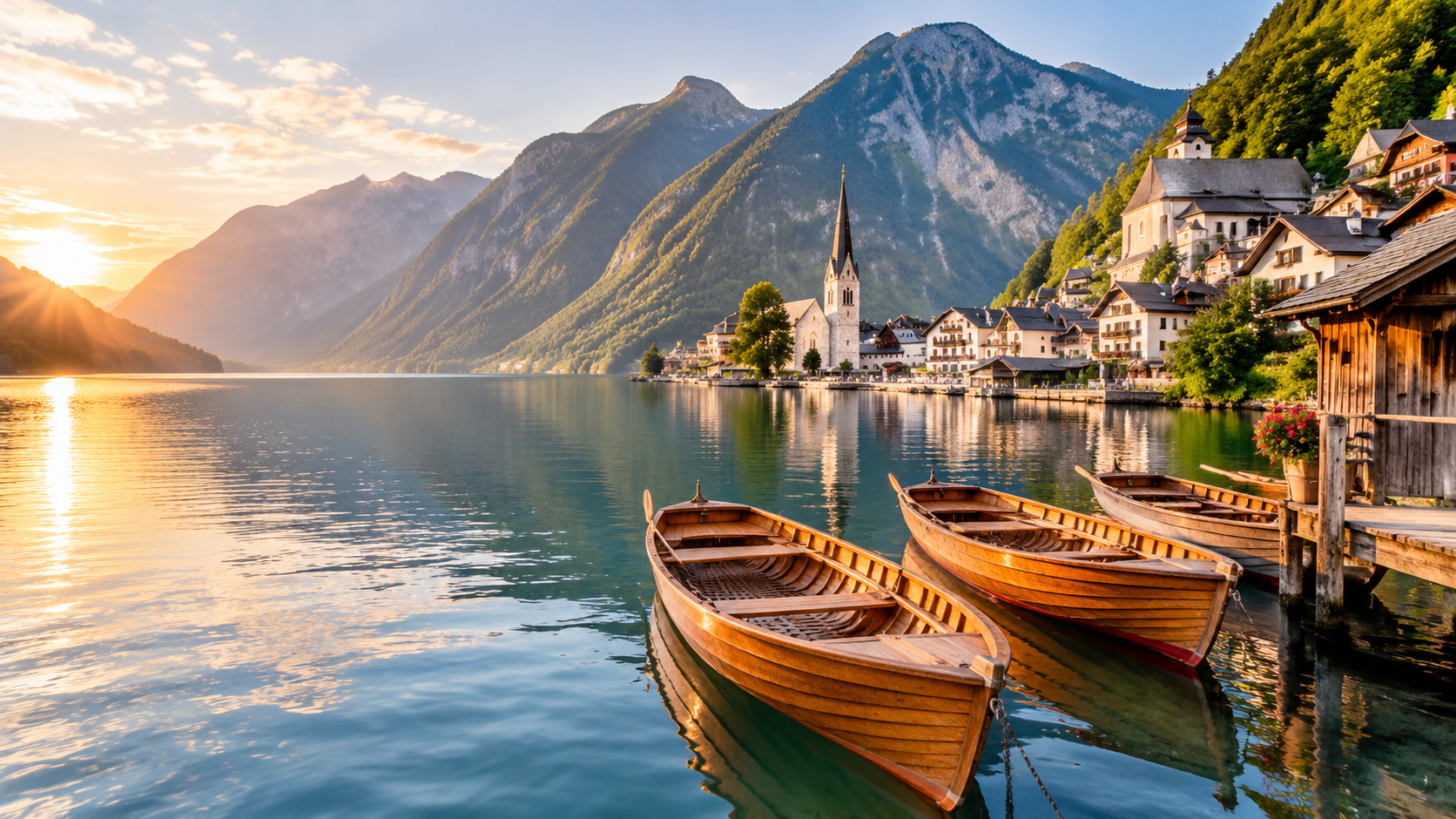
The iconic alpine lake surrounding the village.
Centrally located historic building.
Join thousands of happy travelers who have discovered this incredible experience
Book Your Experience Now